
Cycling
How I fuel: Anton Palzer
Road cyclist Anton Palzer achieves feats of endurance that most can only dream of. Here he reveals how he gets the energy for his impressive endeavours.
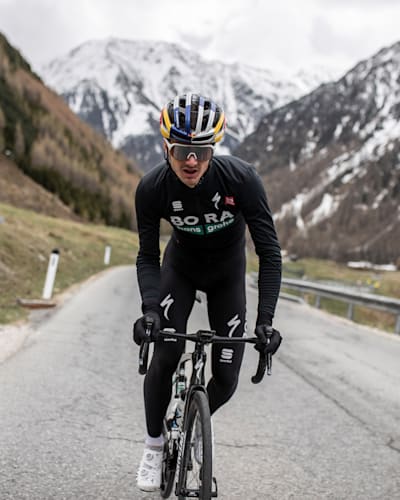
A champion in ski mountaineering and mountain running, Anton 'Toni' Palzer chose to explore a new passion in 2021 when he made the switch to road cycling and soon earned a place on the BORA-hansgrohe team. Now regularly training for five hours a day on the bike, the German athlete discusses the food he needs to power his impressive feats of endurance.
01
Carbohydrates are a cyclist's best friend
Eating healthily is key for Palzer, which means avoiding added sugars as much as possible and instead opting for fresh and natural ingredients with little fat. “The way your body feels after eating is normally a good indicator of whether you are eating the right things,” says Palzer.
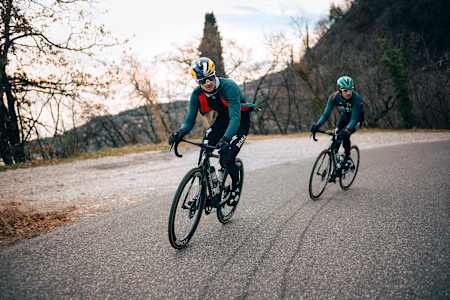
Palzer on a winter training camp on Lake Garda with the BORA-hansgrohe team
© Christof Kreutzer
Road cycling, like endurance sports in general, naturally poses special challenges for athletes like Palzer. "An athlete's diet should definitely be tailored to the demands of their sport," explains Dr. Stephen Smith, Performance Nutritionist at the APC in Thalgau, Austria. "Extreme endurance athletes like Toni, who are on the go for so long and hard, need to eat and drink during training and competition.”
"For longer rides, in addition to what I eat before, I also use high-carb drinks, gels and bars," explains Palzer. While these do contain a certain amount of sugar, this is needed in order to help power long riding sessions that include plenty of exertion.
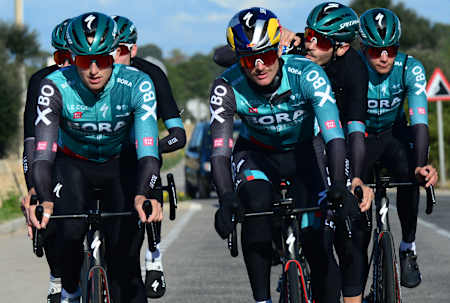
Anton Palzer during the Vuelta Ciclista a Murcia
© VeloImages/BORA - hansgrohe/Red Bull Content Pool
"Carbohydrates are the best source of energy there is," says Palzer. "If I have carbohydrates before, during and after exercise, I'm on the right track." In order to power his training sessions, Palzer needs around 100 grams of carbohydrates per hour of cycling and around 60 grams when training in the gym.
While taking nutrients on board is vital while training, it does take some getting used to, as Smith explains: “The stomach and, in particular, the digestive tract needs some time to get used to processing energy bars and gels during physical activity.”
02
Palzer's meal plans
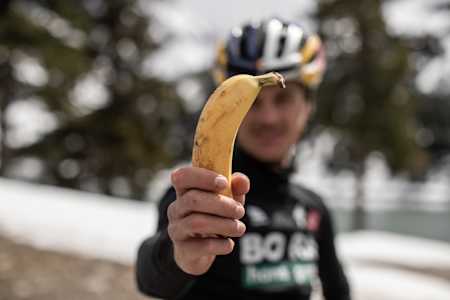
Bananas are a key part of Palzer's diet
© Helge Roeske/Red Bull Content Pool
- Breakfast: A worry-free breakfast that fills you up and is full of carbohydrates is ideal. So Palzer starts the day with a bowl of oatmeal with milk, or a milk substitute, with some nuts and a banana on top.
- Lunch and dinner: These usually feature rice or potatoes with cottage cheese and lots of vegetables. So a mixture of carbohydrates, fresh vegetables and a protein source – green beans are also very suitable here.
- Snacks: After intense training, it’s important to replenish the nutrient stores quickly. For Palzer, this means: “A recovery shake that consists of 70 percent carbs and 40 percent protein is ideal. I tend to drink this within 30 minutes after training.”



03
Sticking to the plan
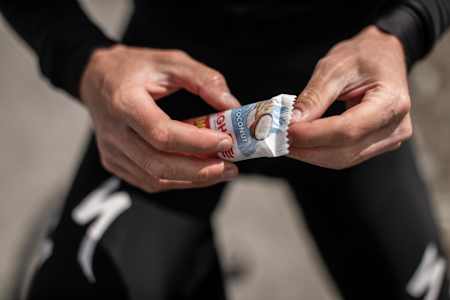
For Palzer, a chocolate bar is a well-earned reward
© Helge Roeske/Red Bull Content Pool
According to Palzer, having a reward system in place can be crucial as it acts as extra motivation during training. “After particularly hard training days or competitions, you should occasionally reward yourself with your favourite food,” says Palzer. “For me, it's definitely pizza. I even have my own pizza oven!"
Palzer also has a tip for aspiring road cyclists, especially those who feel their weight makes climbs even more challenging. “What top athletes around the world adhere to is that on training days we are less strict with our diet, but on rest days we keep our calorie intake as low as possible. If you follow this rule then you enjoy your treat meals even more,” says the German cyclist.
04
Four tips to optimise your diet from Dr. Smith
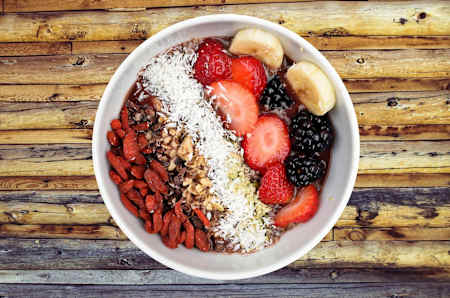
A healthy breakfast is a good way to start the day
© Pixabay
- Rely on fresh food: Shake-based diets and dietary supplements should only be used in a targeted manner and as needed, they should not play a major role.
- Avoid diets that over-promise: Diets that promise super-fast weight loss or super-fast muscle growth should be avoided at all costs. Remember, the steady drip wears away the stone.
- Eating healthily is a marathon, not a sprint: If you want to achieve your nutritional goals as well as your athletic goals, be it losing weight, building muscle or becoming fitter overall, you have to invest time. It doesn't work without it. You have to think and act in the long term.
- Treat yourself, too: Consistency is key, but there should also be rewards when goals have been reached. The 80/20 rule is good to follow, this sees 80 percent of your diet consisting of healthy foods such as fruit, vegetables and protein, while 20 percent can be your favourite foods such as pizza or chocolate.


