
Music
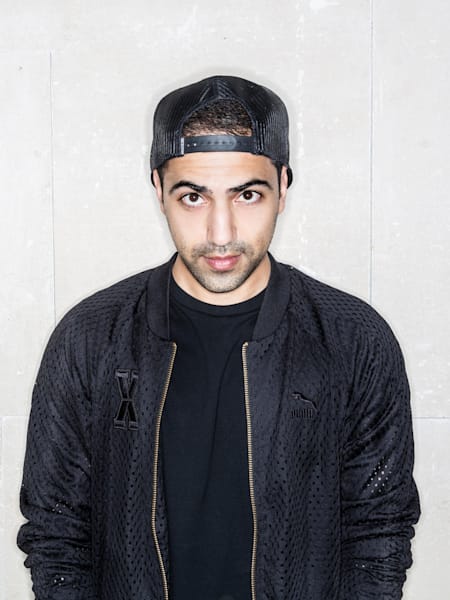
A-Minor explores Iran’s underground DJ renaissance
Electronic dance music is officially banned in Iran – but an underground scene is quietly building, characterised by private parties and desert raves, says the London-based DJ/producer.
My parents are both Iranian, but like many thousands of Iranians, they left Iran shortly after the revolution in 1979 to start a life in the West. I was brought up in London as a result, but I visit Iran every few years to spend time with most of my family who still live there.
On the surface, it’s easy to assume that there isn’t anything exciting going on across Iran’s music scene. The official stance of the government is very clear: only religious music that is pre-approved can be legally distributed or performed. But that isn’t the reality. If you go to the right part of Tehran, it wouldn’t be surprising to hear the latest Drake record or a tech-house set blaring out of someone’s Peugeot 306.
If you go to the right part of Tehran, it wouldn’t be surprising to hear the latest Drake record
Iran has one of the youngest populations in the world – 60 per cent of people are under 30 – and like any young generation, they want to create and be heard. With the digitalisation of music over the past decade, and the availability of music production software, there is a whole generation of musicians experimenting with electronic music behind closed doors.
As you would expect, the experimental music that is being made in Iran is a lot harder to find than in the West but that’s not to say it isn’t there. It’s happening in bedrooms and private spaces, and some artists are stepping out of the shadows, despite the risks. If you’re interested, there is a fascinating documentary called Raving Iran showing just how perilous this journey is for electronic producers. These guys are taking groups of people into the desert to hold raves into the early hours.
Watch Raving Iran below.
I love writing music more than anything, but it takes another level of passion to risk your life in the pursuit of it. As an Iranian artist, I would love nothing more than to contribute to this growing community, but the risks just don’t make sense for me. Having said that, I hear that producers are getting paid unbelievable sums up-front for some of the pop stuff that’s happening underground. Even the government-regulated music producers are getting higher fees than in the West. I guess it’s because CDs are still the main method of distribution, so the profit margins are higher.
Will this change going forward? It’s hard to say. I think, and hope that, as more and more people take their music public, the regime will begin to turn a blind eye to it, and give it some breathing space to grow. There are already some signs of this – for example, I have heard many electronic musicians are now performing under the umbrella of art exhibitions and installations, which have different laws – SET Tehran is a great example.
A-Minor picks three Iranian artists you need to hear
Nesa Azadikhah
Nesa Azadikhah is Tehran-based DJ, music producer, composer, sound artist, and musician. I first heard about her as she’s the co-founder of Deep House Tehran, which is the leading underground house and electronic music blog. They host mixes, interviews, workshops and news, and are the first to provide a platform for up and coming electronic artists in Iran. Her music is amazing; she uses recordings from the city streets to create these captivating soundscapes.
Ash Koosha
Ash is an electronic producer best known one of the starring roles in the Iranian documentary Raving Iran. Originally from Tehran, he was force to seek asylum in the UK. His sound is high-energy, glitchy and experimental – definitely worth checking out.
Ardalan Ardalan
Ardalan Ardalan is a Tehran-born producer/DJ now residing in San Fransisco, and part of the Dirty Bird camp. His production style is vibey house packed with energy, funk, and gritty basslines.
Follow A-Minor on Twitter at @AMinor
A-Minor's Stars In The Shade is out now on Platoon. Listen to the remixes below.
Check out more great premieres, stories and videos at RedBull.com/Music
Like Red Bull Music on Facebook and follow us on Twitter at @RedBullUK
Listen to Red Bull Radio for in-depth interviews, exclusive mixes, live broadcasts