
Music
Keeping the Beatles’ Legacy Alive
Keeping the Beatles’ Legacy Alive
Keeping The Beatles’ Legacy Alive
© [unknown]
Even if you think you don’t know any Beatles songs, you know some Beatles songs. More than four decades since the greatest band in the history of pop music split up, it’s a good bet that, at any given moment, somewhere in the world, there’s a Beatles song playing on the radio.
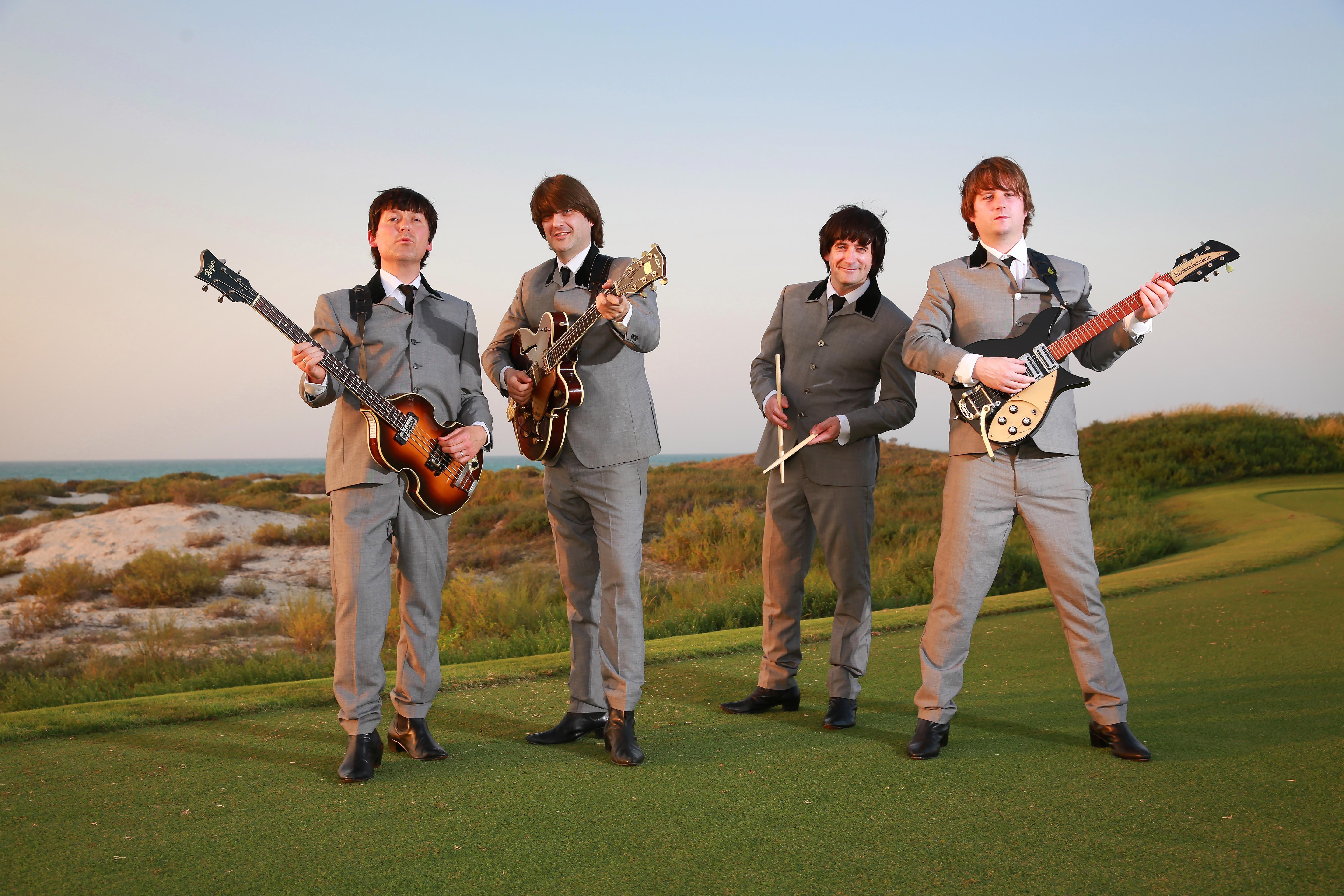
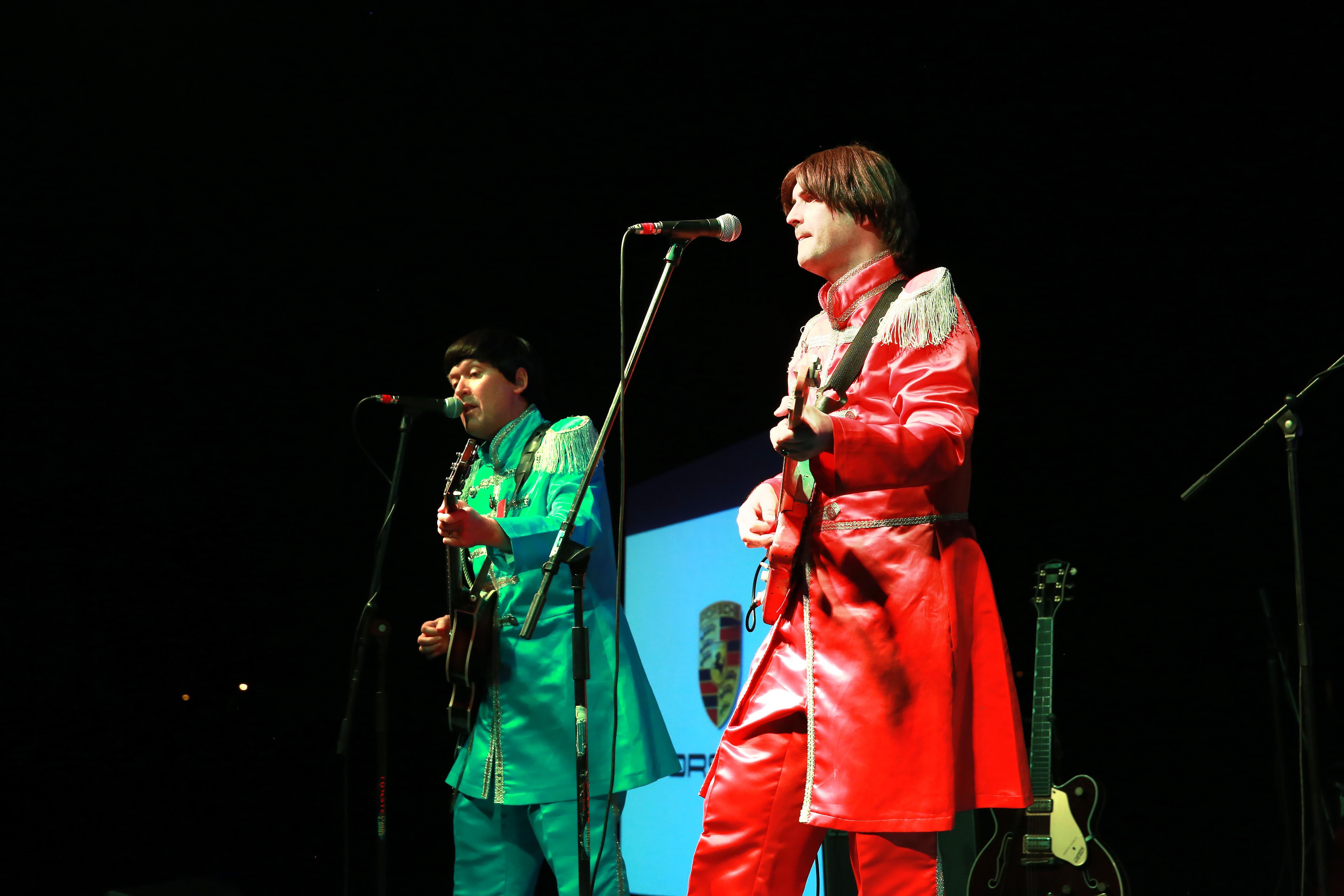
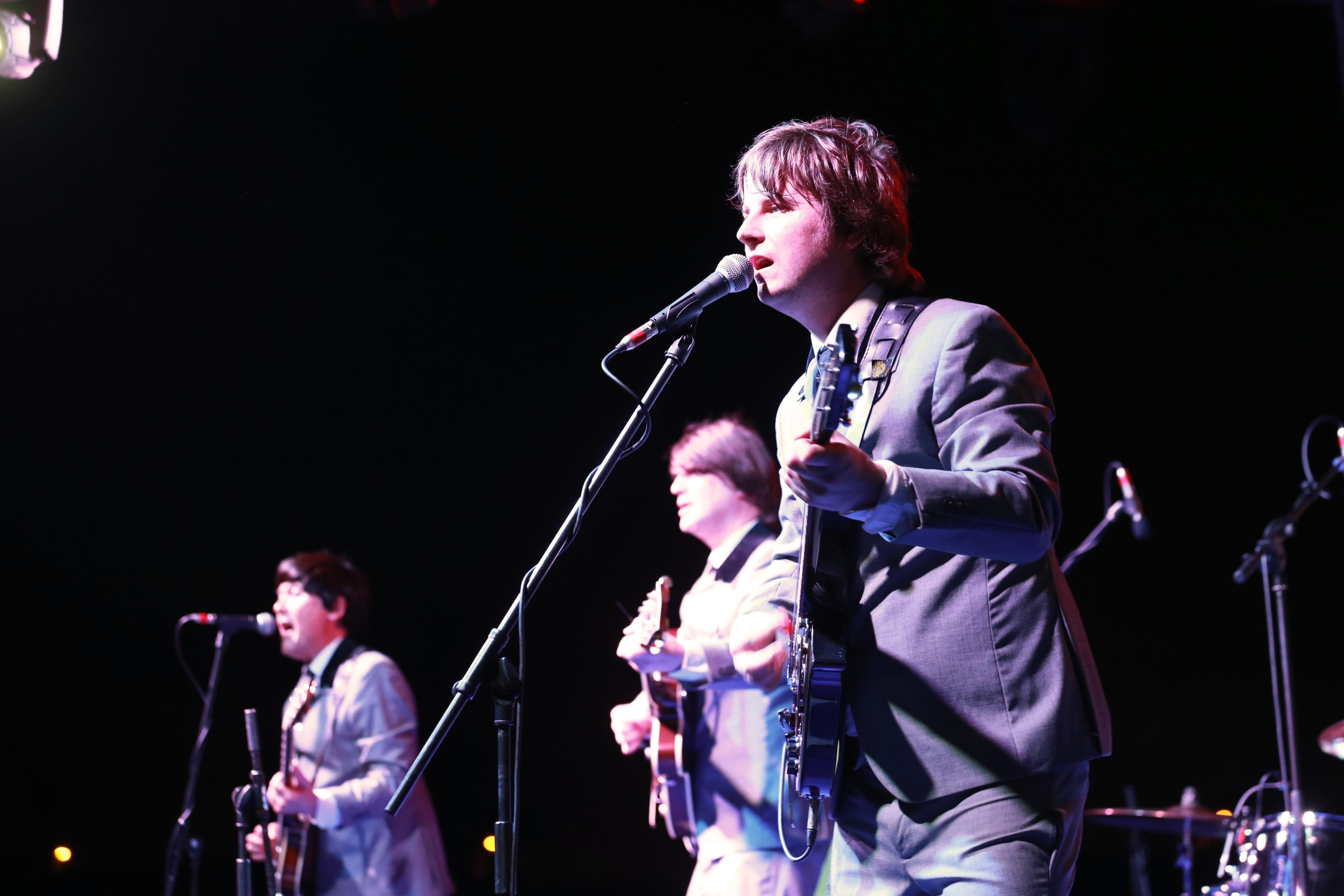
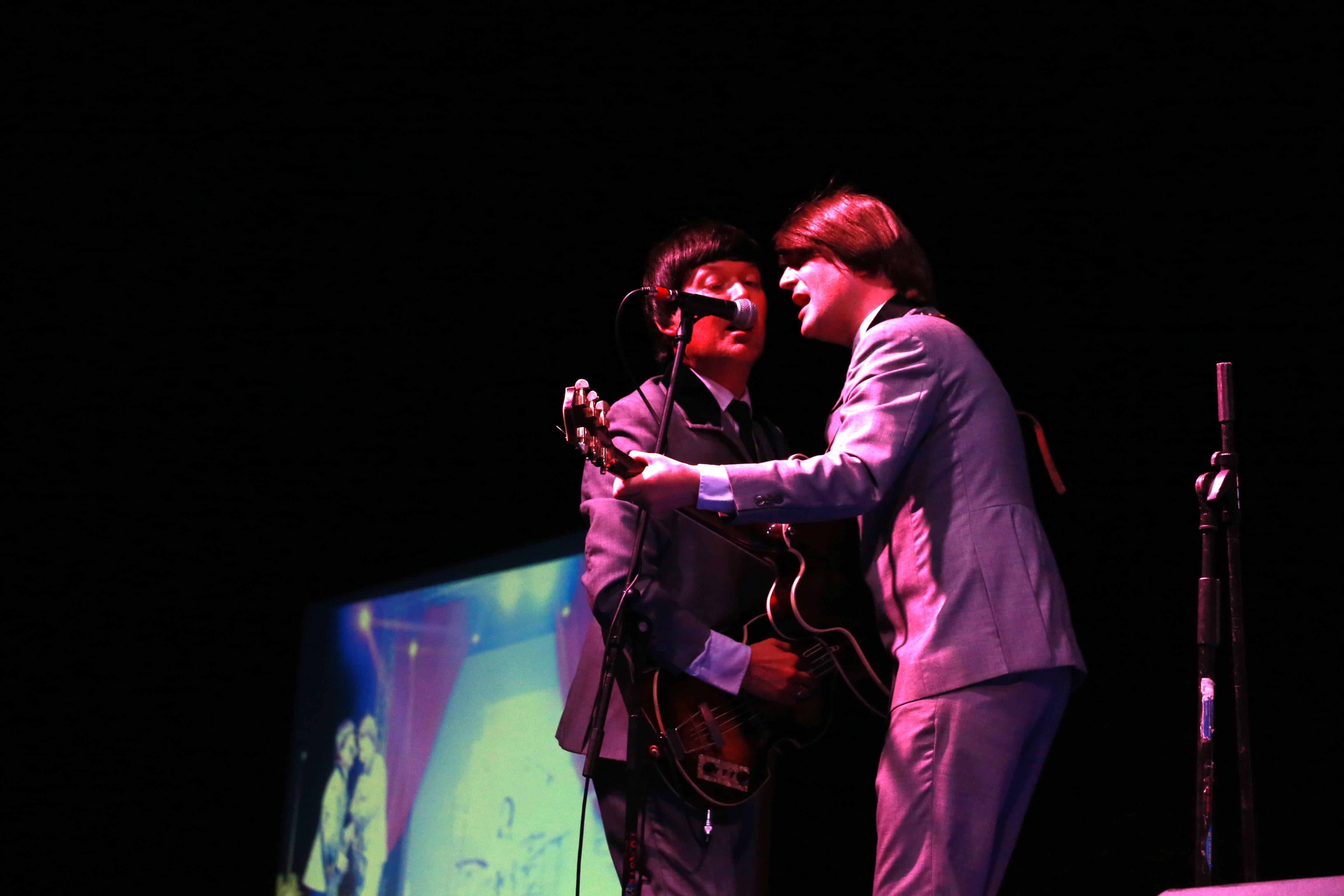
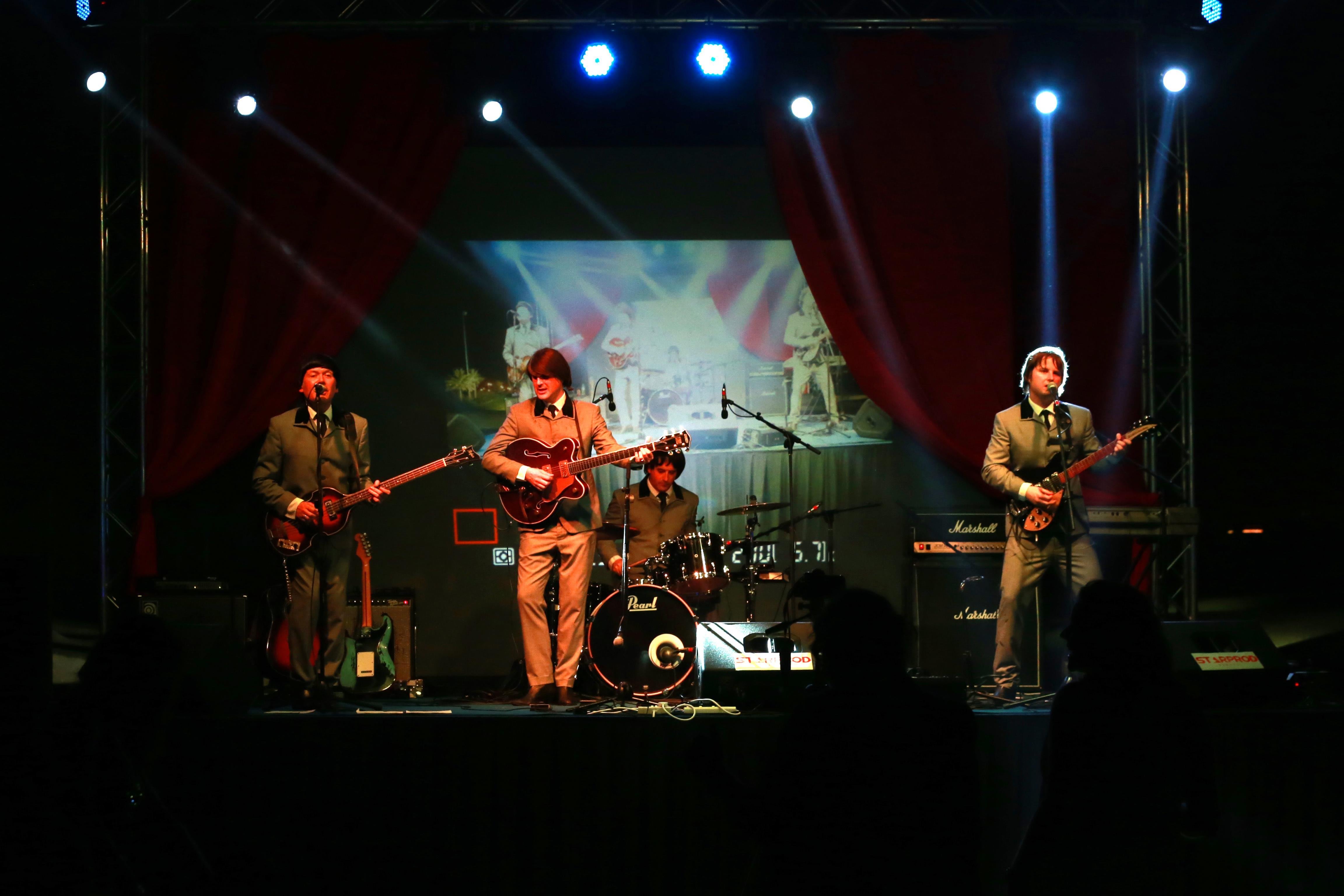
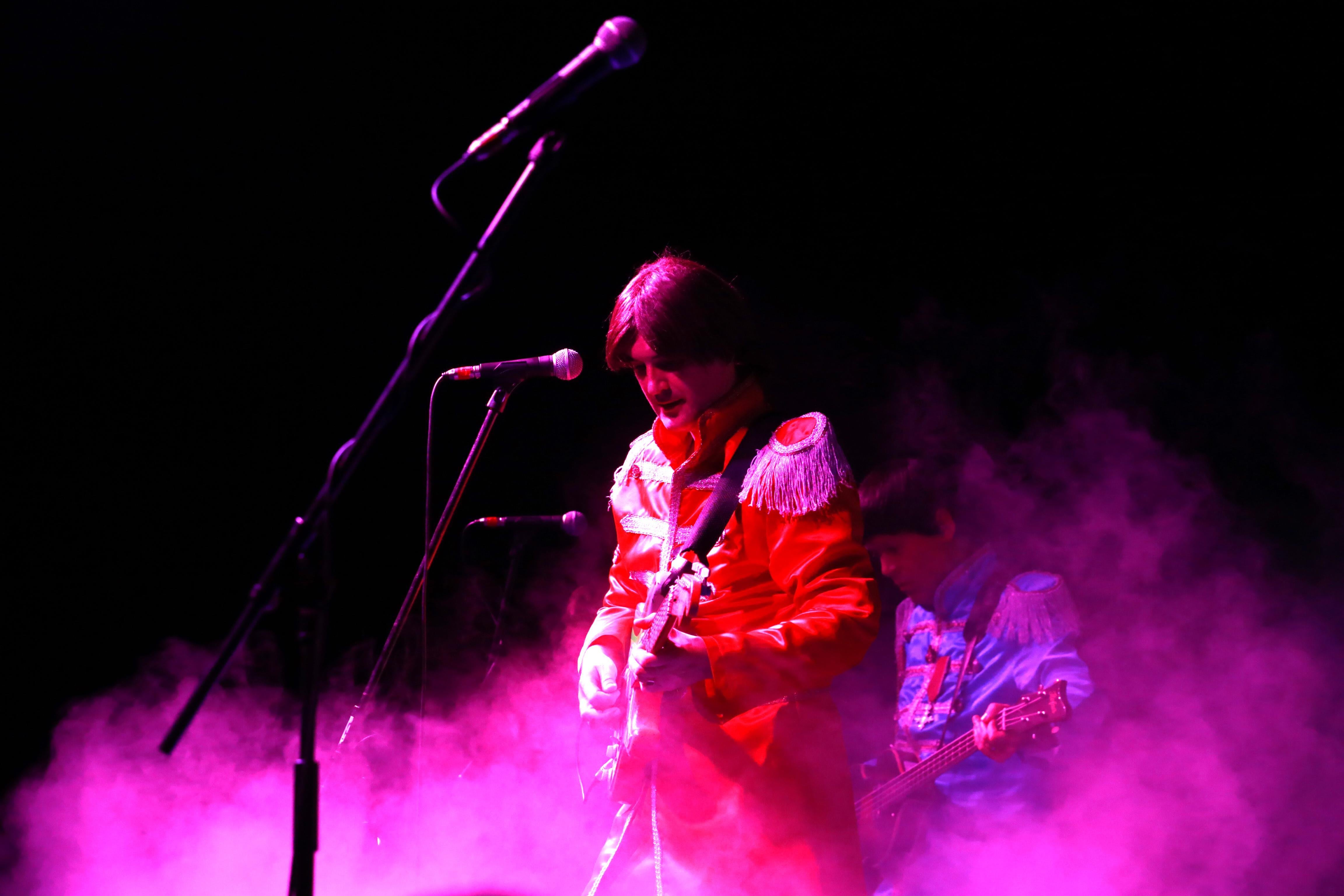
Or a tribute band playing a gig, just as The Classic Beatles did at Saadiyat Beach Golf Club in Abu Dhabi last month, when they put on their show, “Get Back! The Story of The Beatles”, a triumphant tribute to the Fab Four’s lasting impact on the world of music.
Keeping The Beatles’ Legacy Alive
© [unknown]
Paul McCartney, John Lennon, George Harrison and Ringo Starr.
Think about that lineup. It’s insane. You’ve got the guy who wrote “Imagine,” the guy who wrote “Band On The Run” and the guy who wrote “While My Guitar Gently Weeps” all in the same band. Oh. And Ringo, who – though he’s often disregarded – was a vital cog in the Beatles machine; a metronomic drummer who did exactly what was needed to make the songs great. If Ringo had been, say, Keith Moon or John Bonham, The Beatles wouldn’t be The Beatles.
Their crystalline pop sound would’ve turned into something else entirely, and their legacy would never have been so great. (Also, lest we forget, Ringo wrote some OK songs himself. Sure, “Octopus’s Garden” is no one’s favourite Beatles track, but it’s still better than anything that, for example, Nickelback have ever written.) And somehow, these four incredibly talented boys all grew up within a few miles of each other at the same time, in the English port city of Liverpool. As so often in The Beatles’ career, they got very lucky.
Keeping The Beatles’ Legacy Alive
© [unknown]
Keeping The Beatles’ Legacy Alive
© [unknown]
Keeping The Beatles’ Legacy Alive
© [unknown]
Another example of that good fortune: Their well-documented spells in Hamburg between 1960 and 1962. In his book Outliers, Malcolm Gladwell proposes that it takes 10,000 hours of practice to achieve mastery of something. By leaving the cosy environs of their hometown for Germany the nascent Beatles ensured that they had the opportunity to rack up thousands of those hours in a ridiculously short span of time, honing their stage presence, their musicianship, and those trademark harmonies.
There were, undoubtedly, other talented bands with great songs in England at that time, but only one of them went to Hamburg and spent eight hours every day playing to live audiences. And when John, Paul, George and Ringo returned to Liverpool, they were unrecognizable from the naïve teens who’d left months earlier.
They were The Beatles. And they were set to take over the world.
Keeping The Beatles’ Legacy Alive
© [unknown]
In terms of musicians’ influence on pop culture, only Bob Dylan comes close to the impact that The Beatles made. And Dylan has never enjoyed the mainstream commercial success of The Beatles.
Somehow, the Fab Four shifted millions of units while still remaining at the cutting edge of songwriting – something that is almost unimaginable now. Actually, it’s almost unimaginable when you hear the early Beatles records. Yes, they’re accomplished songs, but who, upon hearing, say, the sweet but bland “Love Me Do” (the band’s first single in October 1962), would have thought that this was the band which, just three years later, would be blowing people’s minds with the psychedelic brain-warp of “I Am The Walrus”? Or the incredible sophistication of “A Day In The Life” – arguably the peak of Lennon and McCartney’s songwriting collaboration, complete with what long-time producer George Martin (another example of fate being kind to The Beatles; would any other producer have been able to help them realize the sounds they heard in their heads?) termed the “orchestral orgasm” and a 53-second long piano crash (actually five pianos playing the same E-major chord with the studio faders turned up full)? True, you can hear undertones of their deranged, adventurous spirit in the howl of “I Wanna Hold Your Hand”, for example, and even The Beatles’ most pedestrian pop songs are head and shoulders above the vast majority of mainstream pop music that’s been recorded in the past 50 years.
But the dark genius that permeates the band’s later recordings – The White Album, Sgt. Peppers’ Lonely Hearts Club Band, Revolver – took a while (understandably) to develop; teenagers could never have written “Tomorrow Never Knows” or “Strawberry Fields Forever”.

Keeping The Beatles’ Legacy Alive
© [unknown]
For all that chance played a crucial part in The Beatles’ rise to super(nova)stardom, though, all the luck in the world is worth nothing if you’re not ready to make the most of it. And The Beatles were most definitely ready. Crazy talented, fiercely ambitious and wickedly smart, the Fab Four grasped their opportunities with both hands. How many English bands since have flogged themselves to the point of exhaustion and dissolution trying to “break” America?
The Beatles didn’t just break the USA, they crushed it. They bent it to their will. So utterly did they hold American audiences in their thrall that they famously started to shun live performance – it had reached the point where they couldn’t even hear themselves on stage, so hysterical was the crowds’ reaction. Check out their Shea Stadium gig for an example of just why “Beatlemania” was no exaggeration. There’s an almost frightening loss of collective control from the audience; weeping, screaming, shaking. Elvis Presley had already demonstrated the lust that pop music could instil in audiences, but The Beatles elevated that to something else, something more than physical desire – their music created a spiritual bond with the audience that could both inspire and overwhelm. It was, arguably, the first time that modern music really showed its power. And no other band could have demonstrated that power better than The Beatles.

Keeping The Beatles’ Legacy Alive
© [unknown]
Then, of course, there was their uniquely stellar blend of personalities. Each Beatle (yes, even Ringo) was irreplaceable. The Rolling Stones (the Beatles’ closest rivals for the best band of their era) without Bill Wyman? Sure, that would work. Guns N’ Roses without, say, Steven Adler? They’d have got by. Foo Fighters without Franz Stahl? We know that works. But The Beatles without John, Paul, George or Ringo? Unfathomable.
All four men were smart and funny (watch pretty much any interview with them for proof), but together they were smarter and funnier. Lennon was wild, imaginative, arrogant, caustic and charismatic; McCartney technically brilliant, beautiful, approachable; Harrison wise, thoughtful and spiritual; and Ringo grounded, reliable, upbeat. They had something for everyone. And their music reflected that; from heart-wrenching ballads like “Blackbird” to uproarious rock like “Back in the USSR”, through the psychedelic rush of “Lucy in the Sky With Diamonds” to thought-provoking, inspiring anthems like “Revolution” and “Come Together”, The Beatles were masters of song construction. Pitch-perfect harmonies over complex arrangements with intelligent lyrics that ran the gamut of emotions; sometimes they were brazenly straightforward (“She Loves You”, “Ticket to Ride”), often they were oblique and confusing (“I am the Walrus”, “Revolution 9”). The Beatles’ songs have inspired just about every decent songwriter since, whether in their heartfelt sincerity, or in their exploration of the subconscious, or their fearless examination of darker emotions. Musically, too, The Beatles were responsible for popularising numerous ideas that have since become clichés – a single chiming guitar chord as an intro; elegiac sweeping strings to accompany a piano ballad – but only because The Beatles did them so well.
Perhaps the greatest thing The Beatles did in terms of their legacy, though, was to quit while they were still very good. Unlike pretty much every great band since, their popularity wasn’t waning when they split and nor, really, was their talent (their final studio album, 1970’s Let it Be, wasn’t their best, but it still had “Across the Universe”, “The Long and Winding Road” and the legendary title track on it, and reached Number One in America and the UK), and no one had died. Sadly, though, their relationship had deteriorated so badly that they couldn’t face working together any more. Lennon and McCartney, in particular, had witnessed their once satisfying and spectacular songwriting partnership slowly twist into a far less collaborative process. Even a couple of years prior to their split, Lennon had dismissed McCartney’s “Ob-La-Di, Ob-La-Da” as “granny music shit” (he had a point). And while news of The Beatles’ split devastated their fans at the time, it also meant that those same fans never had to suffer the horror of watching their heroes diminish. For The Beatles there would be no gut-wrenchingly embarrassing attempts to incorporate disco into their music in the late Seventies, or electro-pop in the Eighties (a fate most of their peers didn’t escape), just a back catalogue of perfectly crafted hit after perfectly crafted hit. Plus, it must be said, the odd duffer; but their ratio of great songs to bad ones remains unsurpassed.
Ultimately, though, the magic of The Beatles is inexplicable. You can dissect their songs and personalities over and over and over (and some academics have spent decades doing just that), but there are some things that you can’t capture in words. You can only hear it and feel it. So listen to the songs. You’ll get it. And since there’s no way you can ever see The Beatles live on stage again, the closest thing you’ll get to that experience is a gig by the best Beatles impersonators on the road today, The Classic Beatles. And that’s why the lucky crowd who were at Saadiyat Beach Golf Club on October 6th, 2014 will remember that night forever.

